7 Tips for Choosing the Best Folding Power Scooter

Time:2026-10-01 Author:Sienna
0%

Choosing a Folding Power Scooter is not simply a matter of finding the smallest model. It is a daily mobility decision. The right scooter must fit a car trunk, apartment doorway, and personal routine. It should also feel stable on uneven pavements and predictable during tight turns. No brochure can show every weakness.

The World Health Organization reported in 2022 that 1.3 billion people experience significant disability worldwide. Meanwhile, the United Nations expects one in six people to be aged 60 or older by 2030. These trends are increasing demand for practical mobility equipment. Grand View Research also identified rising demand for compact mobility scooters, supported by aging populations and improved product design. Yet market growth does not guarantee a suitable purchase.

As rehabilitation engineer Dr. Rory Cooper says, “Mobility is independence.” That principle matters when comparing folding mechanisms, seat support, battery range, ground clearance, and charging time. A scooter that folds quickly may still be too heavy for one person to lift. A long-range battery may add unnecessary weight. The compromises are real.

This guide examines seven practical checks before buying a Folding Power Scooter. It considers real storage spaces, not showroom floors. It also questions manufacturer claims, because advertised range can change with rider weight, temperature, hills, and tire pressure. Readers should verify local transport rules and warranty terms. A careful choice may look less impressive, but it can deliver safer, more comfortable journeys.
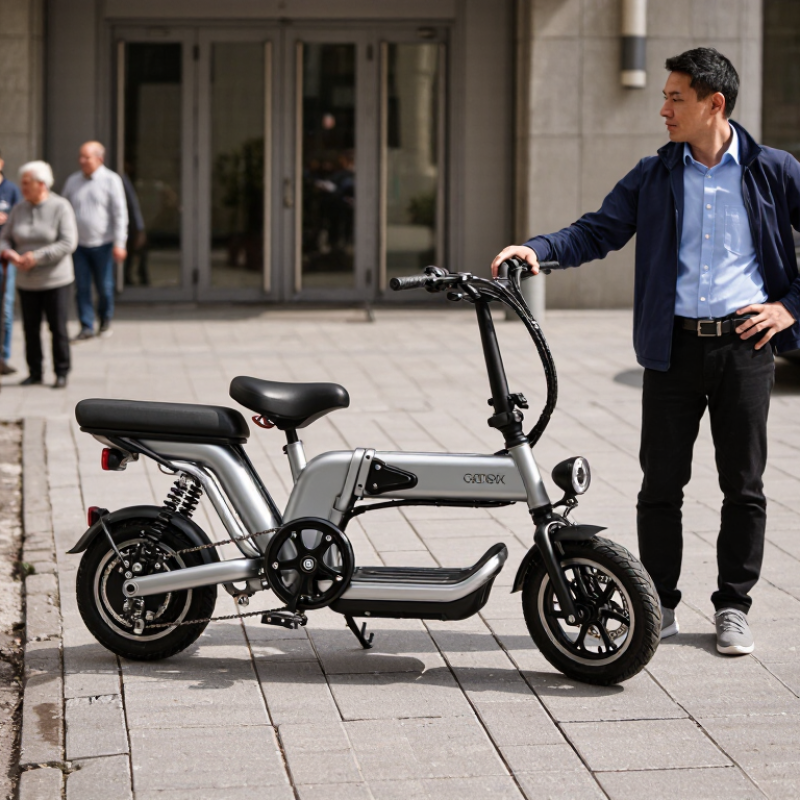
7 Tips for Choosing the Best Folding Power Scooter

Define Your Mobility Needs and Daily Travel Conditions

7 Tips for Choosing the Best Folding Power Scooter

Define Your Mobility Needs and Daily Travel Conditions

Choosing a folding power scooter starts with your actual routine, not a showroom checklist. Measure the longest trip you make in a week, including the return journey. Note pavements, slopes, doorways, and the distance between parking areas and entrances. Short trips can still demand strong brakes and stable wheels. Be specific.

If you carry groceries, medical equipment, or a work bag, include that weight. An overloaded scooter may feel sluggish and use more battery. Daily travel conditions matter more than advertised range. Cold weather, hills, frequent stops, and uneven ground can reduce practical battery performance. Leave a sensible reserve instead of planning to arrive at zero. That habit feels inconvenient. It is safer.

Test the folded scooter in your own car, lift, or storage cupboard. Check its folded height, carrying points, and whether the wheels roll easily. A narrow hallway can expose problems quickly. Comfort deserves a practical test. Sit for the length of your usual journey and examine hip support, legroom, and handlebar reach. Ask whether you can operate the controls without twisting your wrist. Small discomforts become serious during repeated travel.

Do not ignore loading. Can you fold it without help? Can you charge it near a safe indoor outlet? A qualified mobility adviser can confirm whether the seat position and weight rating suit you. Specifications help, but your doorway and timetable are the final test.

Compare Folding Design, Weight, and Storage Convenience

7 Tips for Choosing the Best Folding Power Scooter

Compare Folding Design, Weight, and Storage Convenience

A practical folding scooter should collapse smoothly without requiring excessive force. Test the latch several times before purchasing. The folded shape matters as much as the folding mechanism. A narrow profile can fit beside a hallway cabinet or beneath a desk. Check whether the handlebar folds inward or remains exposed. I once overlooked this detail, and the scooter occupied more floor space than expected. A secure locking system should prevent accidental unfolding during lifting or storage.

Weight affects every daily transfer. A lighter frame is easier to place in a vehicle, but it may reduce stability or carrying capacity. Read the certified weight limit carefully. Do not rely on appearance alone. Weight matters. Lift the scooter from its actual carrying points, not the seat or handlebar. If possible, carry it across a short distance before deciding. A few extra kilograms can become tiring after repeated trips. This is where personal strength and travel habits deserve honest consideration.

Storage convenience also depends on battery placement, wheel size, and folded height. Measure the trunk opening, closet depth, and elevator space at home. Measure the gap. Some scooters fold compactly but remain awkward because their wheels catch on door frames. Removable batteries may simplify indoor storage, though they require careful handling and approved charging practices. Keep the folded scooter away from damp floors and heat sources. Ask for clear maintenance instructions and warranty terms. Reliable sellers should provide specifications that match the manual, not vague marketing claims.

Evaluate Motor Power, Battery Range, and Charging Options

7 Tips for Choosing the Best Folding Power Scooter

Motor power matters most when your route includes ramps, rough pavement, or frequent stops. A higher wattage can improve climbing, but it may also increase weight and battery use. Check the scooter’s maximum user weight, not only its advertised motor rating. A short test ride on a gentle slope can reveal more than a showroom specification. Tip: Listen for strain during acceleration. Quiet, steady performance feels safer.

Battery range should match your real routine. Manufacturers often measure range with light riders, flat roads, and moderate speeds. Cold weather, hills, heavy bags, and aging batteries reduce distance. Leave a practical reserve, perhaps 20 to 30 percent, for unexpected detours. Tip: Record your usual daily mileage for one week. My first estimate was too optimistic. It ignored the return trip. Charging options deserve equal attention. Confirm the charging time, battery location, and outlet requirements before buying.

A removable battery can help apartment users, while an onboard charger suits garage storage. Check whether the charger has recognized safety certification and clear operating instructions. Avoid models with vague battery data or poorly protected connectors. Tip: Inspect the charging port after folding and unfolding. It should remain accessible without forcing the cable. Also test the folding latch repeatedly; a powerful motor is less useful if daily setup feels awkward or unreliable.

Check Safety Features, Comfort, and User-Friendly Controls

Tip 1: Check safety features before admiring the folding design. Look for electromagnetic brakes, anti-tip wheels, bright lights, reflectors, and a clear battery indicator. Confirm the scooter’s weight limit includes your bags. A compact frame can feel less stable on uneven pavements. That detail matters.

The WHO and UNICEF Global Report on Assistive Technology (2022) estimates that 2.5 billion people need at least one assistive product. This figure may exceed 3.5 billion by 2050. That growing need makes proper fitting and dependable controls increasingly important. Ask whether the scooter has been tested against recognized mobility-device standards, such as ISO 7176 requirements for stability and braking.

Tip 2: Treat comfort as a safety feature. Sit for several minutes, not just briefly. Your knees should bend naturally, your feet should rest flat, and the tiller should remain easy to reach. Check seat support, turning space, suspension, and the folding handle’s grip. Small pressure points become painful during longer trips.

Tip 3: Test every control with one hand. The throttle should respond smoothly, while forward and reverse settings should feel unmistakable. Speed adjustment must be readable in bright sunlight. Try the controls while wearing gloves. I would not trust a “simple” panel until I had used it outdoors, near a curb, and after unfolding it imperfectly. A trained mobility specialist can also check posture and reach, which online measurements often miss.

Review Durability, Maintenance, Warranty, and Overall Value

7 Tips for Choosing the Best Folding Power Scooter

Review Durability, Maintenance, Warranty, and Overall Value

Durability starts with the frame, not the showroom shine. Tip 1: Check welded joints, hinge locks, and wheel alignment. Ask whether the scooter has been tested through repeated folding. Tip 2: Examine weight limits honestly. Daily loads include bags, ramps, and uneven pavement. A model near its limit may wear faster. Tip 3: Listen during a test ride. Grinding, rattling, or a loose steering column deserves attention. I once focused too much on portability and missed a weak latch.

Tip 4: Read the maintenance schedule before paying. Ask about tire replacement, brake adjustment, battery care, and cleaning around moving joints. Simple parts matter. Confirm who performs repairs and how long common components usually take. Tip 5: Study the warranty line by line. Check coverage for the frame, motor, battery, charger, and folding mechanism. Look for exclusions, labor limits, and registration deadlines. A long warranty sounds reassuring, but vague wording reduces its value.

Tip 6: Compare total ownership cost, not only the purchase price. Include accessories, servicing, transport, and future battery replacement. Tip 7: Test the folded size in your real storage space. Measure the trunk, doorway, and lifting height. A scooter is not good value if it stays unused. Independent repair feedback can reveal recurring faults. A qualified technician can also identify stressed hinges or poor cable routing. Keep receipts and maintenance records. They may help when problems appear later.

FAQS

How should I measure my real daily travel needs?

Record your longest weekly trip, including the return journey. Note slopes, pavements, doorways, and parking distances. Be specific.

How much battery range should I plan for?

Match range to real conditions, not ideal testing. Hills, cold weather, heavy bags, and stops reduce performance. Keep a 20–30% reserve. Arriving at zero is risky.

How can I choose suitable motor power?

Consider ramps, rough pavement, user weight, and frequent stops. Higher power may improve climbing but increase weight and battery use. Test a gentle slope.

What should I check about charging?

Confirm charging time, battery location, outlet needs, and charger safety certification. Removable batteries help some apartment users. Check that the charging port stays accessible after folding.

How can I test comfort properly?

Sit for the length of your usual journey. Check hip support, legroom, and handlebar reach. Operate controls without twisting your wrist. Small discomforts grow.

Will the folded scooter fit my storage space?

Measure your car trunk, doorway, lift, and cupboard. Check folded height and carrying points. Test whether the wheels roll easily. A narrow hallway reveals problems quickly.

What durability details deserve close inspection?

Examine welded joints, hinge locks, wheel alignment, and the steering column. Listen for grinding, rattling, or unusual looseness. Test the folding latch repeatedly. I once overlooked a weak latch.

How should I compare warranty and ownership value?

Read coverage for the frame, motor, battery, charger, and folding mechanism. Check exclusions, labor limits, and registration deadlines. Include repairs, accessories, transport, and future battery replacement. A long warranty can still be vague.

Conclusion

Choosing the best Folding Power Scooter starts with understanding your personal mobility needs, daily travel distance, terrain, and storage situation. Consider where you will use it most often, such as indoors, on sidewalks, or during outdoor trips. Compare folding mechanisms, overall weight, folded dimensions, and how easily the scooter can be lifted or stored in a vehicle. Motor strength, battery range, charging time, and available charging options are also important, especially for users who travel frequently or across uneven surfaces.

Safety and comfort should guide your final decision. Look for stable handling, dependable brakes, good visibility, comfortable seating, adjustable controls, and simple operation. It is also wise to review the scooter’s frame quality, tire durability, maintenance needs, warranty coverage, and replacement-part availability. A slightly higher initial cost may provide better reliability and long-term value if the scooter is easier to maintain and better suited to your routine. By comparing these factors carefully, you can select a practical, comfortable, and dependable Folding Power Scooter for everyday use.


Sienna

Sienna

Sienna is a skilled marketing professional with a deep expertise in our company’s core products and services. With a passion for innovation and detail, she plays a pivotal role in crafting insightful blog posts that not only highlight the unique features of our offerings but also provide valuable......